Choosing a Barcelona Day Tour in Eixample
A good Barcelona day tour should fit the way you want to spend the hours, not the other way around. The city rewards slow looking. A lane in the Gothic Quarter can take ten minutes or an hour, depending on how often you stop. A single façade can lead into a wider conversation about architecture, trade, food, and neighbourhood life. Before comparing options, decide what kind of day you want in the city centre and its surrounding districts.
Start with the shape of the day
Think first about pace. Some people want a compact route that covers the famous sights and leaves time for lunch. Others prefer a deeper focus on one area, such as Eixample, where wide streets and distinctive buildings make walking feel less rushed. There is no single correct approach. The right choice depends on your energy, the length of stay, and whether this is your first visit or a return trip.
Set a rough time window before you look at any itinerary. A morning route suits places that are calmer early, while an afternoon route may suit people who want a slower start. Full-day options can include a meal or a wider loop, yet they also ask for more attention and stamina. If you are in Eixample, Pg. de Gràcia, 66, 71, 08007 Barcelona, Spain, the central location makes it easier to compare routes that begin near the city core with routes that move out toward the coast or nearby towns.
One local option is Girona & Costa Brava Day Trips From Barcelona. If you are weighing a city route against a wider outing, compare how much time is spent travelling, how much is spent on site, and whether the return point suits the rest of your day.
Decide what you want to see
Barcelona has several strong pulls, and trying to fit all of them into one day can flatten the experience. Choose a main theme, then let the rest of the route support it. A clear theme makes it easier to judge whether a tour is balanced or overloaded.
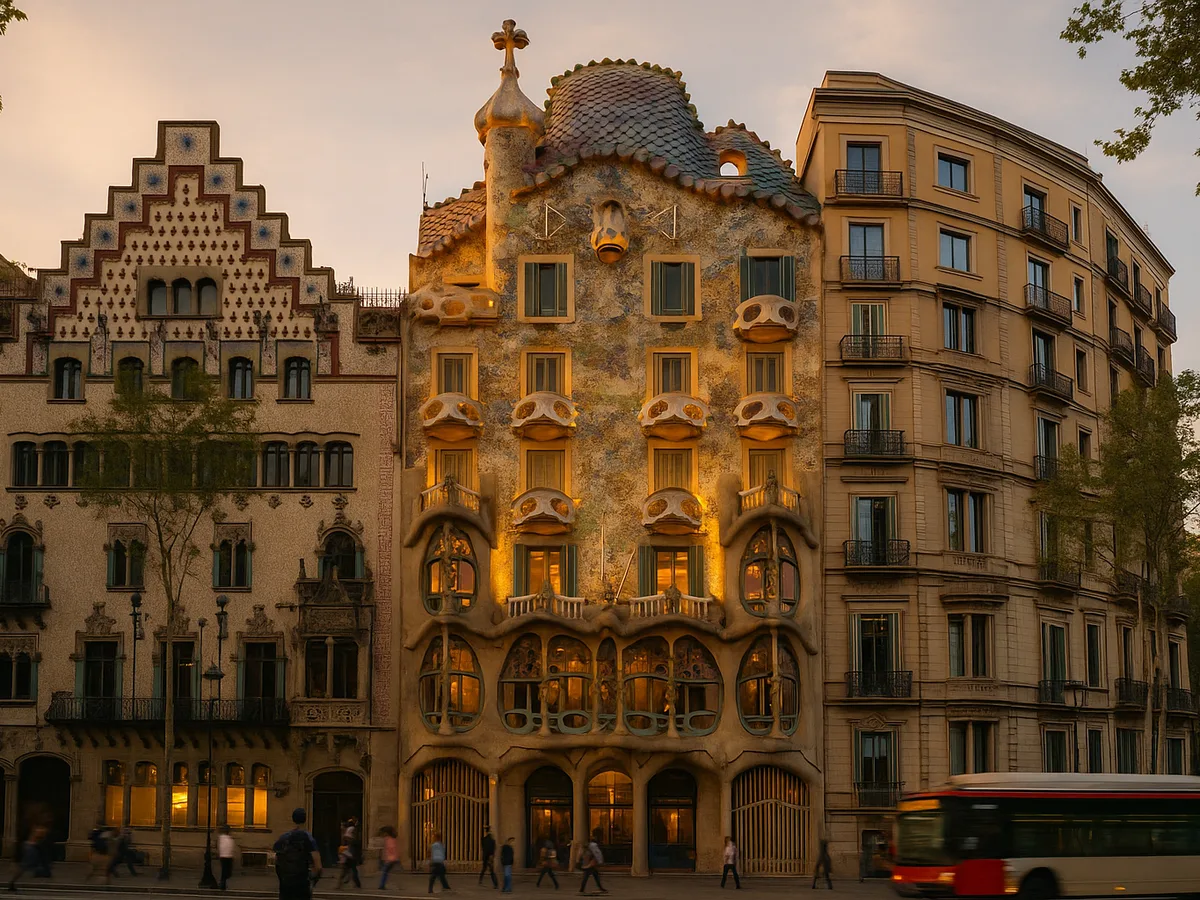
- Architecture: Sagrada Familia, Casa Batlló, and other Eixample landmarks can form a coherent route with short walks between stops.
- Old streets: The Gothic Quarter works well for lanes, squares, and older buildings, especially when the route leaves room to pause.
- Views and green space: Park Güell and Montjuïc hill suit a day with more walking and a mix of open views.
- Food and markets: La Boqueria market can anchor a route focused on local produce, though it is busy at many hours.
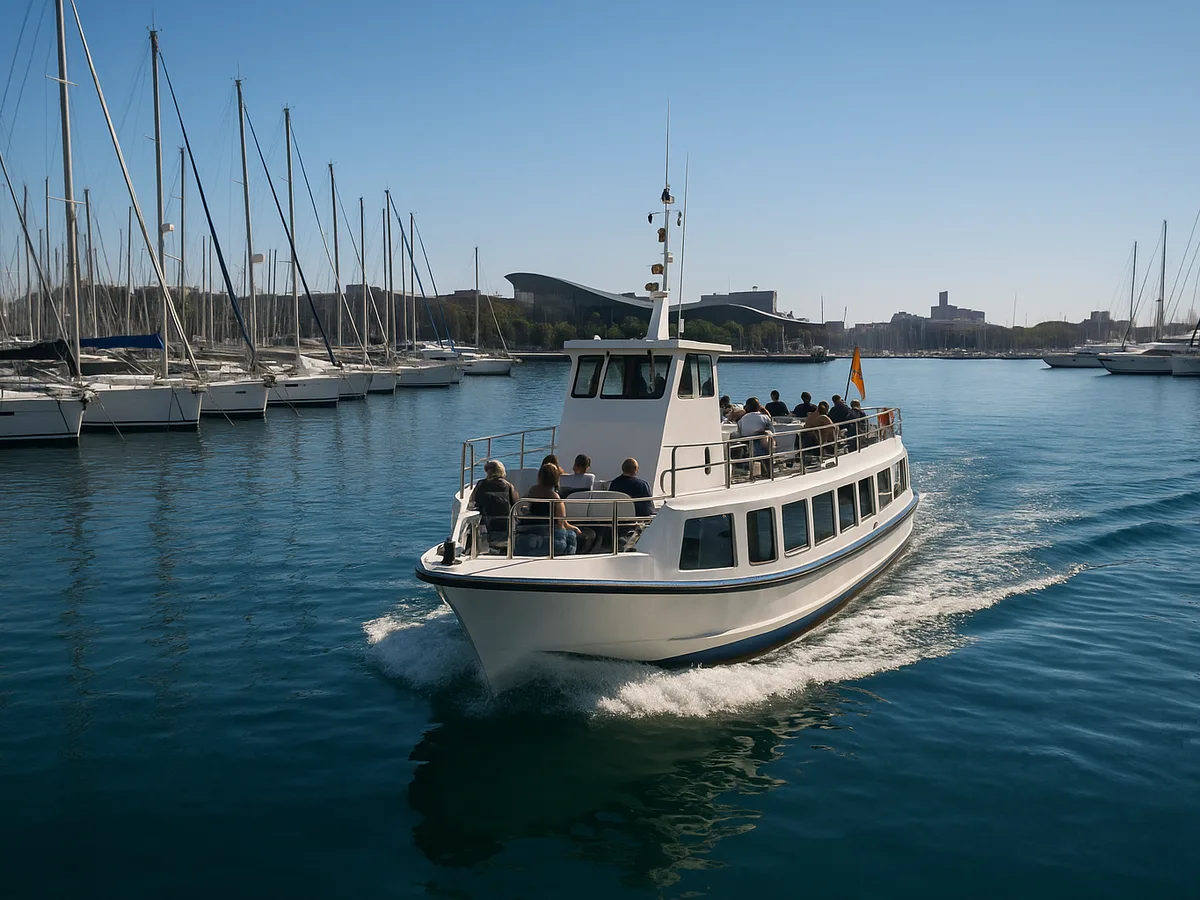
- Sea and harbour: Barceloneta beach and Port Vell can be paired for a lighter day near the water.
Watch for itineraries that list famous names without explaining how they connect. A route that jumps from one district to another may look impressive on paper, yet feel disjointed in practice. A route with fewer stops and sensible transitions often leaves more room to notice details.
Check the meeting point and the walking load
Location matters more than many visitors expect. A tour that starts across town can add stress before the day has begun. Check the meeting point, the end point, and the distance between stops. If you are based in Eixample, a route that begins or ends nearby may fit better than one that requires an early crossing through traffic or a long transfer.
Ask what the walking is like, not just how many stops appear on the page. City streets can be smooth and shaded in one district, steep and crowded in another. Heat, rain, and late starts all change how a route feels. Comfortable shoes are a practical choice, especially when the day includes old streets, steps, or long stretches outdoors.
Accessibility should be checked directly when it affects your group. Narrow lanes, older buildings, lifts, and uneven surfaces can all matter. If anyone in the group needs a lower walking load, confirm the route in plain terms before committing. Local businesses such as Girona & Costa Brava Day Trips From Barcelona are one reference point when comparing options, but the same checks apply to whichever option you consider.
Read the itinerary for gaps
An itinerary should tell you what happens during the day, not only which places appear. Look for timing, breaks, transfers, and free periods. A route that includes a meal stop is different from one that merely passes restaurants. A route with a guided section and a free section needs clear boundaries, so you know when to regroup.
Pay attention to entry arrangements. Some landmarks use timed tickets, and some areas have controlled access at busy periods. If entry is included, check what that means in practical terms. If it is not included, check whether there is time to queue or whether pre-booking is advised. These details can change the quality of the day more than the list of sights.
Group size also changes the feel of a tour. A smaller group can move through crowded streets with more ease, while a larger group may be easier to spot at busy meeting points. Neither is automatically better. The question is whether the format suits your tolerance for waiting, noise, and fixed timing.
Compare value in practical terms
Price is only one part of the decision. Look at what is included, how long the day lasts, where it starts and ends, and how much is left for independent time. A shorter route with a clear focus may be better value than a packed day that leaves little room to enjoy any single place. A longer outing may work well if travel time is reasonable and the stops are spaced sensibly.
Do not assume that a famous landmark must be included for the day to be worthwhile. Eixample itself offers strong architecture and an easy base for understanding the city layout. The Gothic Quarter offers texture and history in a denser form. The coast offers a change of pace. The best route is the one that matches your reason for visiting.
For lesser known details, confirm them with whichever business you choose. It is worth asking about meeting arrangements, what is included, how long each stop lasts, and what happens if plans change because of weather or access. Clear answers make it easier to judge whether the day will feel smooth.
Match the tour to your companions
Who you are travelling with should shape the choice. A day with children may need shorter stretches, clear breaks, and fewer formal stops. A day with older relatives may need careful attention to seating, step-free access, and pace. A solo visitor may prefer a route that feels social but still leaves personal time. Couples often enjoy a balanced day with space for pauses rather than a constant stream of facts.
Language is another practical point. Check whether the route is delivered in a language everyone understands, and whether written material is available. If a stop matters deeply to one person in the group, build the day around it instead of treating it as a brief photo opportunity. A Barcelona day tour works best when the main interests are clear before the booking is made.
Make the final choice calmly
Once you have narrowed the options, reread the route as if you were walking it. Where do you start? When do you stop for a break? How do you get from one district to the next? What happens at the end? If the answer to those questions feels clear, the tour is likely to be easier to enjoy.

Leave some space in the day for unplanned moments. Barcelona is full of details that do not need a stop on an itinerary: a courtyard, a shop window, a tiled sign, a street musician, a view down a narrow lane. A schedule that leaves a little breathing room allows those moments to happen without derailing the plan.
The business associated with this article is Girona & Costa Brava Day Trips From Barcelona, located at Eixample, Pg. de Gràcia, 66, 71, Eixample, 08007 Barcelona, Spain. Phone: +34 632 93 79 41.